If a new kitchen is on your list for 2027, one of the most useful things you can do now is decide where your budget will make the biggest difference. A kitchen renovation involves far more than cabinets and worktops: plumbing, electrics, flooring, appliances, decorating and installation can all affect the final cost.
There is no single correct budget for every kitchen. The right priorities depend on the condition of the existing room, how long you plan to stay in the property and which changes will improve everyday life. But there are some sensible principles that can help you invest in the things that matter and avoid paying for features you will not use.
Start with the room, not the finishes
Before looking at colours and materials, assess what is wrong with the existing kitchen. Is there enough storage? Are preparation areas too far from the sink? Is the lighting poor? Do the cabinets still work well, but the surfaces look tired?
A full renovation may be justified if the layout is genuinely dysfunctional or the cabinets are beyond repair. But if the underlying kitchen is sound, replacing worktops and selected finishes can sometimes create a substantial improvement with less disruption. This depends on the condition and suitability of the existing cabinets and the practicalities of removing the old surfaces.
The 2026 UK Houzz Kitchen Trends Study reported that deterioration or dysfunction was the leading renovation trigger among its respondents (37%). That is a reminder to solve the actual problem before choosing the decorative details.
Allow for the costs you cannot see
A common budgeting mistake is to allocate almost everything to visible items. Yet preparation work, electrical changes, plumbing, plastering, waste removal and making good can be essential to the success of the project. In older homes, hidden issues may only become clear once work begins.
Build a contingency that suits the age and condition of your property, the extent of structural work and the uncertainty involved. There is no universally appropriate percentage: a straightforward surface replacement and a major kitchen extension carry very different risks.
Ask suppliers to make clear what is included and excluded in each quotation. A price for cabinetry may not include installation. A stone quote will exclude removal of old worktops, plumbing reconnection or additional wall preparation. Comparing totals is only useful when the specifications are comparable.
Spend on a layout that makes everyday life easier
Good circulation, sensible storage and useful preparation space are more valuable than an impressive feature that obstructs the room. A kitchen island may be right for a generous open-plan space, but a peninsula or well-planned run of cabinets can work better elsewhere.
Think about the jobs you do every day: unloading shopping, preparing meals, washing up, making drinks and serving food. Put storage and surfaces where those jobs happen. Consider whether additional sockets, better task lighting or an improved extractor would make more difference than a decorative upgrade.
The 2026 Houzz Emerging Trends Report showed increased UK searches for appliance garages, freestanding kitchens and movable islands. These are search trends rather than evidence of sales, but they illustrate interest in flexible layouts and organised work areas.
Where stone worktops fit into the budget
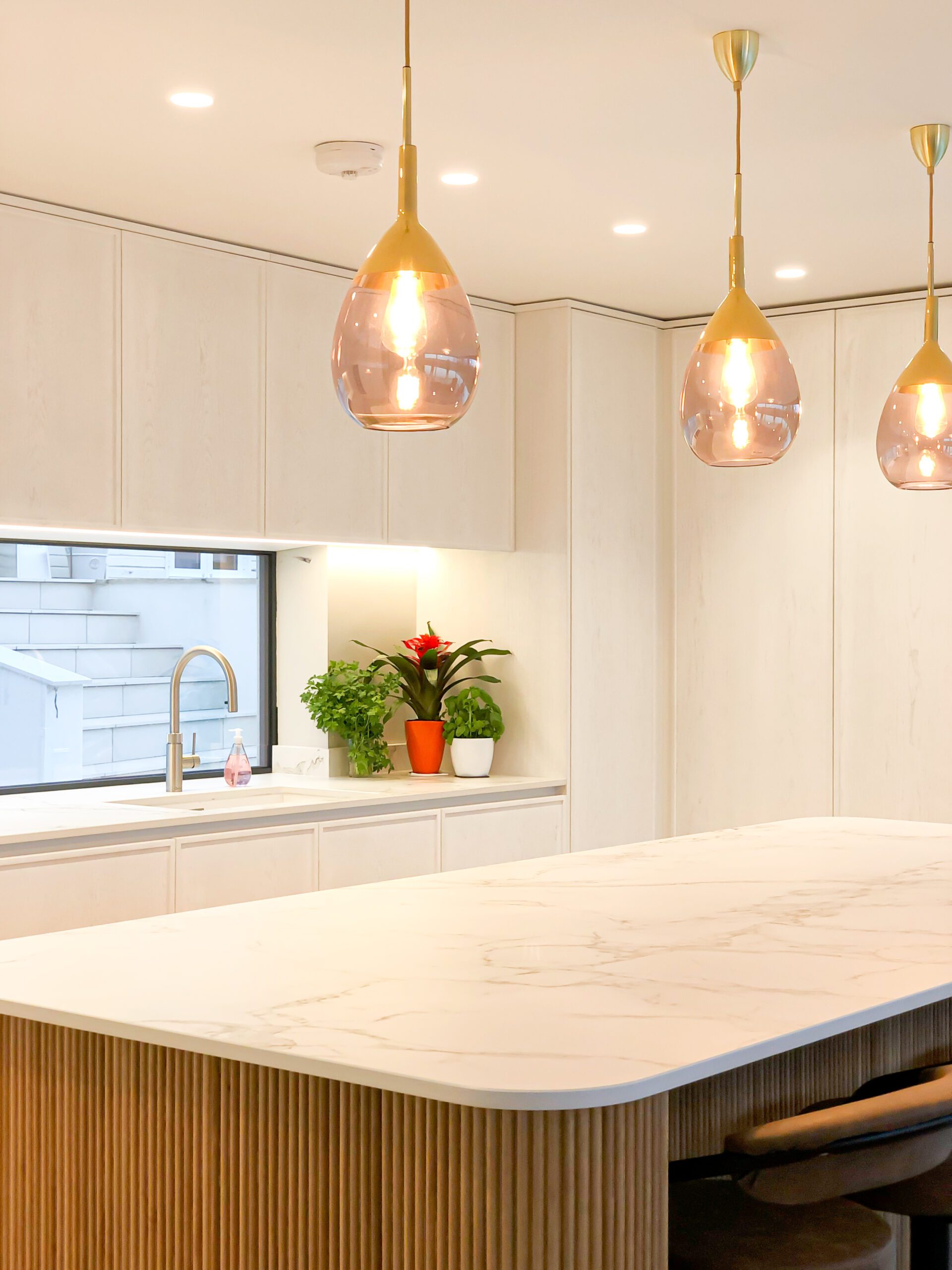
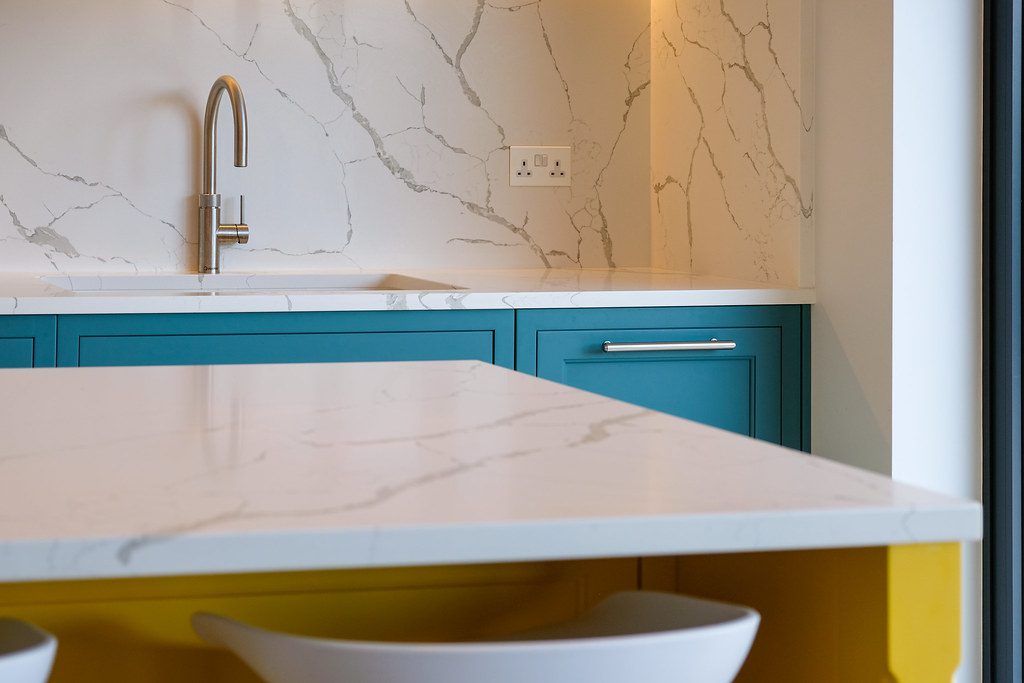
Worktops occupy a prominent place in most kitchens. They influence the colour palette, how the room feels and how the main preparation areas perform. That makes them worth choosing carefully, but it does not mean every project needs the most expensive stone available.
Quartz can offer a broad choice of designs with relatively straightforward everyday care. Granite brings natural variation and character, with care requirements that depend on the stone. Marble is beautiful but more susceptible to etching and staining. Sintered stone offers a different set of technical and aesthetic possibilities. Compare the actual product, finish, thickness, fabrication requirements and aftercare, not just the headline material name.
The 2025 UK Houzz Kitchen Trends Study found that 92% of its surveyed kitchen renovators upgraded their worktops. Among those choosing new worktops, appearance, durability and ease of cleaning ranked ahead of cost as selection factors. That does not prove an expensive surface is better; it shows why value involves more than the lowest price.
Spend on quality fabrication and installation
Two kitchens can use the same stone and still have very different finished results. Accurate templating, sensible join placement, edge finishing and careful installation all affect how the worktop looks and fits. If the design includes a large island, dramatic veining or full-height splashback, planning becomes especially important.
Ask who will template, fabricate and install your worktops. Find out whether the supplier works with its own team, what happens if site conditions differ from the drawings and how the join positions will be agreed. A quotation that appears cheaper may have a different scope of work.
At The Granite House, templating, fabrication and installation are carried out in-house. That gives customers a clear route from material selection to the finished surface.
Where might you save without compromising the result?
Savings often come from simplifying decisions rather than reducing quality. Retaining sound cabinetry can be worth exploring. A simpler edge detail may suit the kitchen just as well as a more elaborate profile. Keeping the plumbing and appliance layout can avoid additional work, provided the existing arrangement is functional.
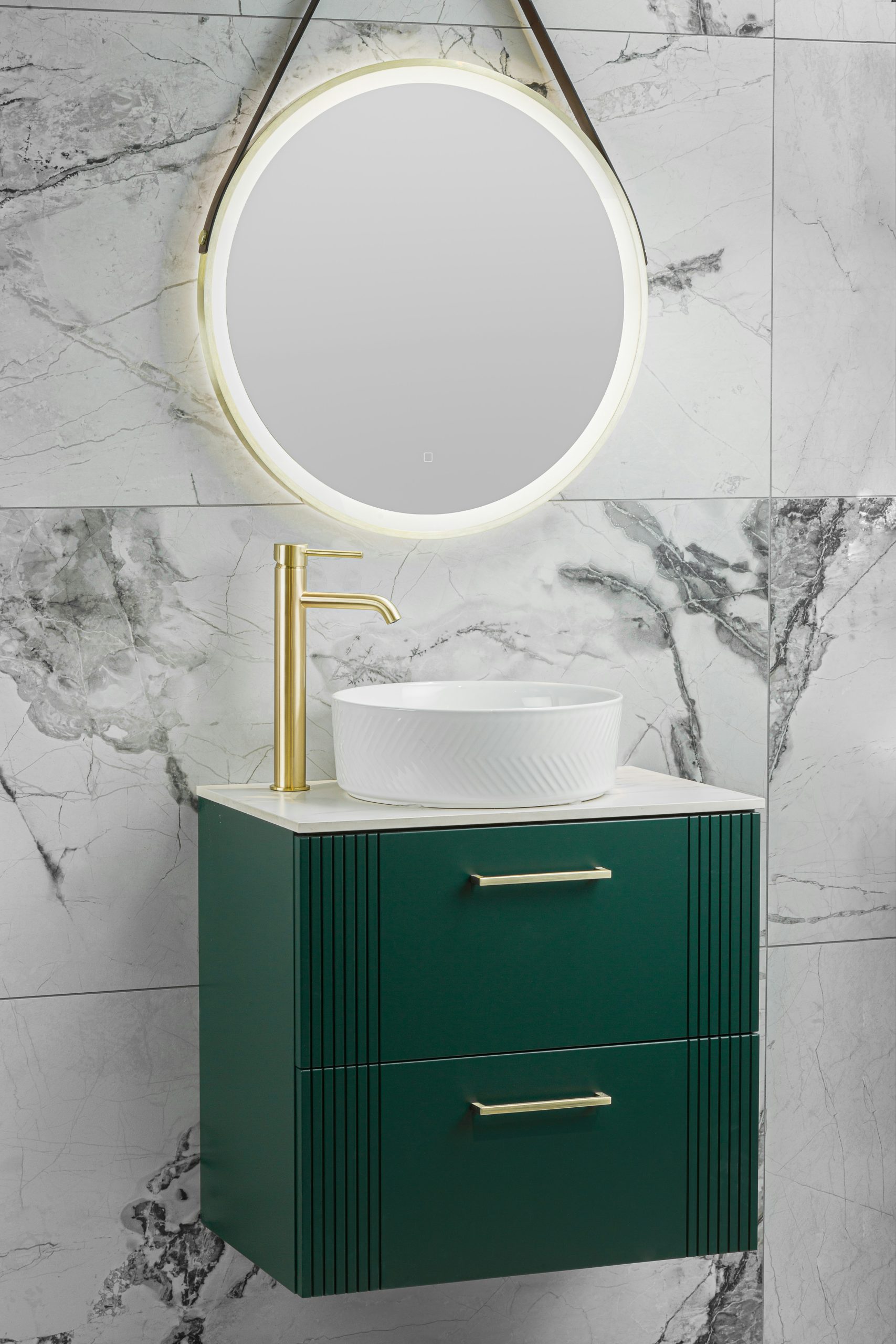
You might also use a statement stone on the island and a complementary, less visually dominant surface elsewhere, if the materials and specification suit the design. In smaller projects, ask whether a suitable offcut is available for a windowsill, shelf or cloakroom vanity.
Avoid false economies such as choosing an unsuitable surface for a wet or high-heat location, removing necessary support or skipping professional measurement. These decisions can lead to additional expense later.
What do the latest UK renovation figures tell us?
The 2026 UK Houzz & Home Study reported a median planned household renovation spend of £10,000 for 2026 among its survey respondents. This figure covers household renovation plans generally; it is not a typical kitchen price and should not be used as a kitchen quotation.
Actual kitchen costs vary significantly by size, layout, building condition, specification and location. The most reliable way to set your own budget is to develop a clear scope, obtain itemised quotations and allow for the supporting trades and contingency.
Plan early, decide carefully
Starting your 2027 renovation planning in November gives you time to compare materials, request samples and coordinate the kitchen fitter, electrician, plumber and worktop fabricator. You do not need to make every decorative choice immediately, but it helps to identify which decisions affect dimensions, support and service positions.
Bring kitchen plans, approximate measurements and ideas about how you use the room to a supplier discussion. Be open about your budget range and priorities; that makes it easier to identify sensible options without spending time on designs that do not fit the project.
A kitchen that delivers lasting value
The best renovation budget is not necessarily the largest one. It is the budget that improves the room you have, pays for work that needs doing properly and creates a kitchen you will enjoy using for years.
If new stone worktops are part of your plans, visit The Granite House showroom to compare materials or request a quotation. We can help you understand the choices, the fabrication details and the cost implications before you commit.