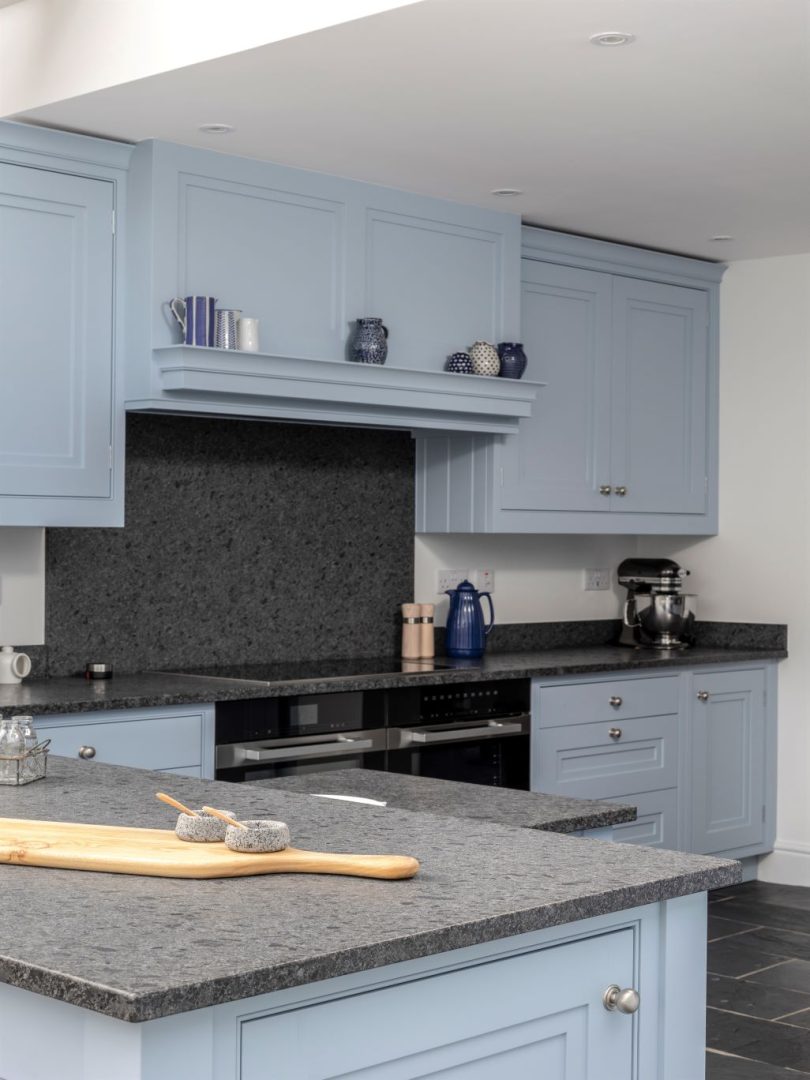
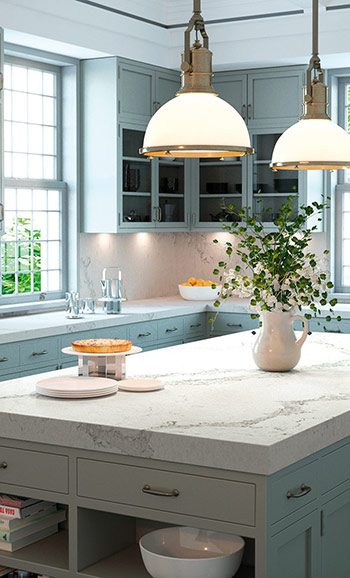
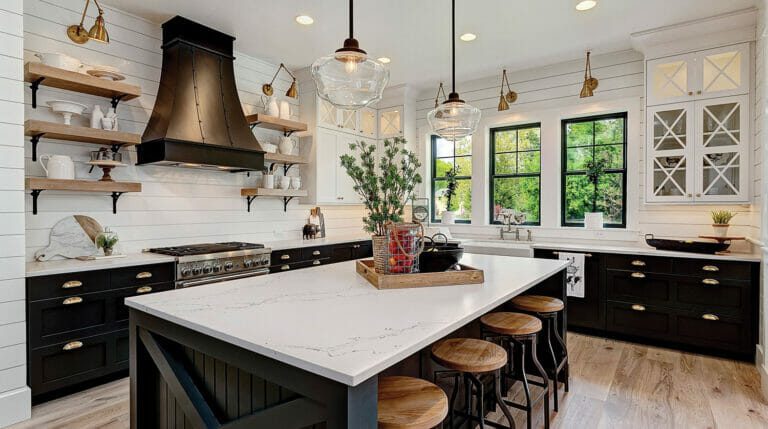
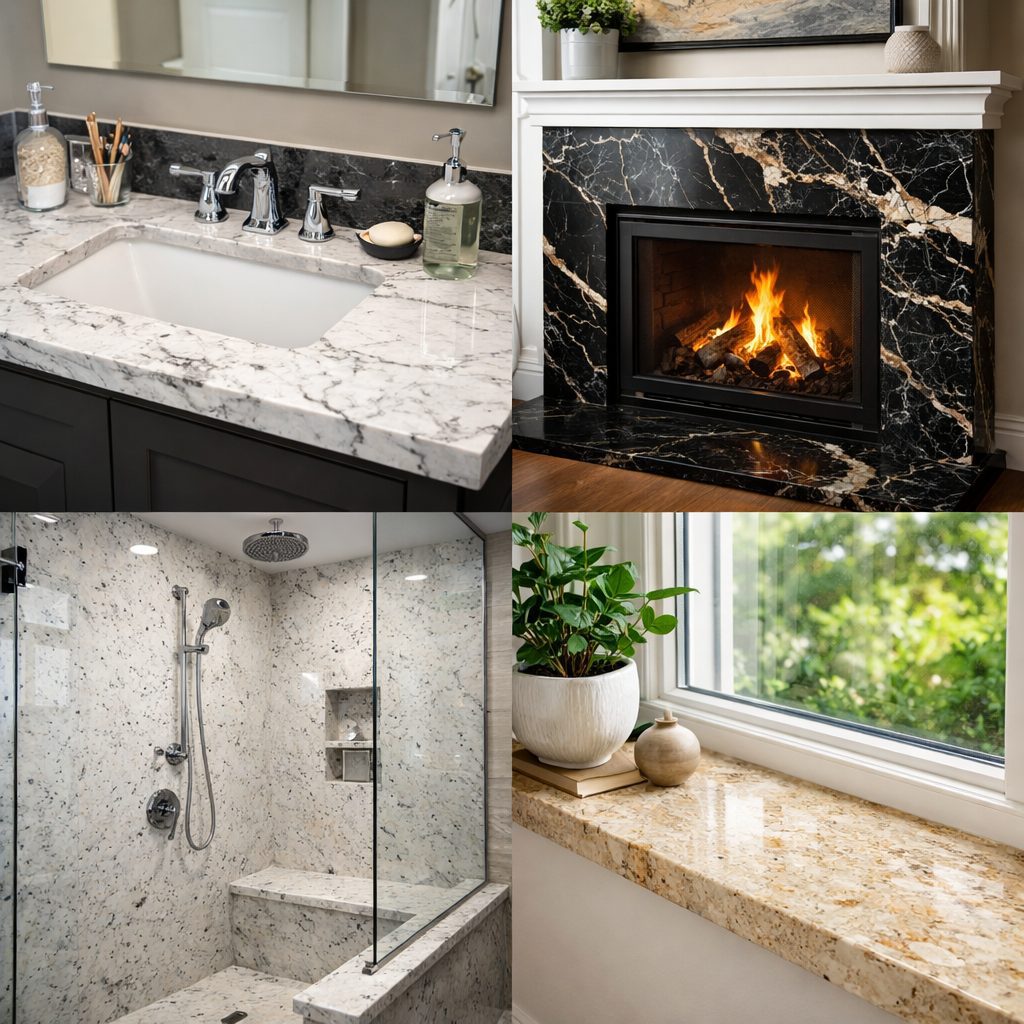
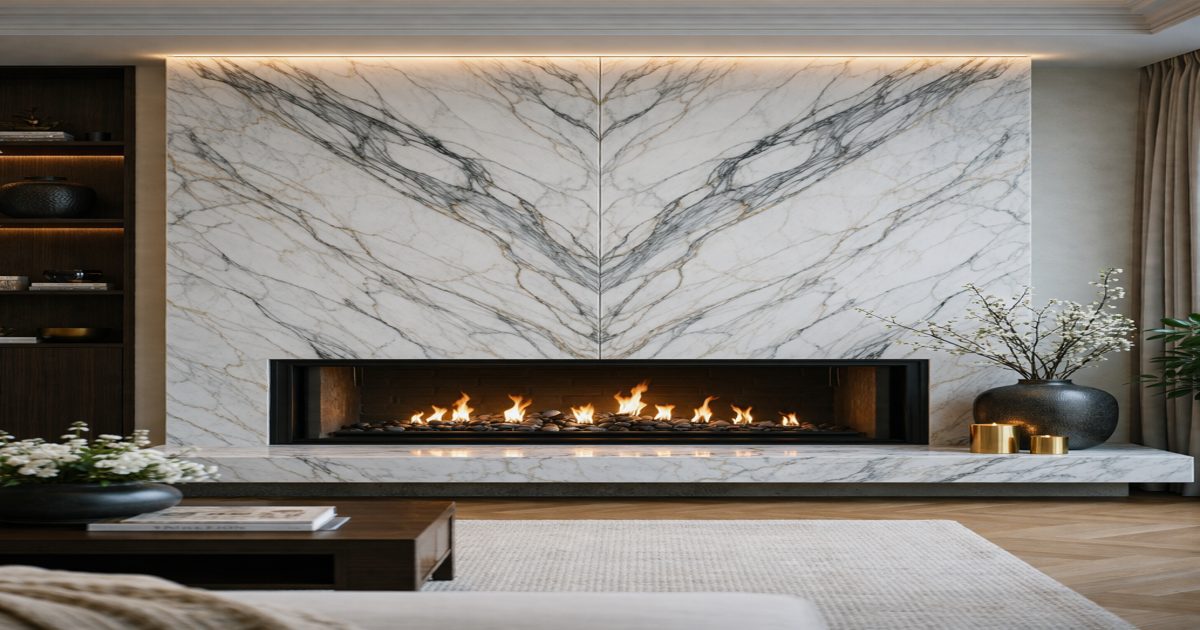
When renovating a kitchen, every decision feels important. From layout and cabinetry to appliances and finishes, but one of the most defining choices is the worktop, both visually and practically. Granite worktops have been used in kitchens for decades, and for good reason. They offer a balance of durability, natural beauty, and long-term value that continues to make them a strong choice for renovation projects.
If you’re considering granite for your kitchen, here’s what to expect and why it remains a reliable option.
The Enduring Appeal of Granite
Granite is a natural stone, formed over millions of years. Each slab is unique, with natural variation in colour, pattern, and movement that can’t be replicated artificially.
For many homeowners, this individuality is part of the appeal. Granite brings character and depth to a kitchen, whether the design is traditional, modern, or somewhere in between.
Because it’s a natural material, granite tends to age well. Rather than looking dated, it develops a sense of permanence and something particularly valuable in renovation projects where longevity matters.
Practical Benefit of Granite Worktops
Beyond appearance, granite performs exceptionally well in everyday kitchens.
Strength and Durability
Granite is extremely hard-wearing. When properly installed and maintained, it:
-
Resists scratches from everyday use
-
Withstands high temperatures from pans and cookware
-
Holds up well under heavy use
This makes it especially suitable for family kitchens or properties where the kitchen sees regular activity.
Natural Heat Resistance
Unlike some manufactured surfaces, granite is naturally heat resistant. While trivets are still recommended as best practice, granite is far more forgiving if a hot pan is placed on the surface briefly.
Longevity
A well-installed granite worktop can last decades. For renovation projects, this long lifespan means the worktop is unlikely to need replacement during the lifetime of the kitchen — or even the property.
What to Expect During Installation
Choosing granite involves a clear process, and understanding it upfront helps set expectations.
1. Slab Selection
You’ll typically choose your granite slab in person, as natural variation means no two slabs are identical. Viewing the material allows you to understand colour tones, veining, and movement.
2. Templating
Once your kitchen units are installed, precise measurements are taken using digital templating equipment. This ensures the granite is fabricated to fit your space exactly, including cut-outs for sinks, hobs, and taps.
3. Fabrication
The slab is cut, edged, and finished to specification. Edge profiles, drainer grooves, and surface finishes are completed at this stage.
4. Installation
Granite is installed by experienced professionals due to its weight and precision requirements. Once fitted, it provides an immediate sense of solidity and finish to the kitchen.
Maintenance and Care
Granite is relatively low maintenance, but it does require some care.
Most granite worktops are sealed to protect against staining. This seal typically lasts several years and can be reapplied when needed.
Day-to-day care is simple:
-
Clean with mild detergent and water
-
Avoid harsh or abrasive cleaners
-
Wipe spills promptly, especially acidic substances
With basic care, granite maintains its appearance for many years.
The Sustainability Angle: Why Granite Makes Sense Long Term
Sustainability in renovations is often about making choices that last.
While granite requires quarrying and transportation, its environmental impact must be considered across its full lifecycle.
Longevity Reduces Waste
Because granite worktops can last for decades, they reduce the need for replacement. Fewer replacements mean:
-
Less material manufacturing over time
-
Less waste sent to landfill
-
Lower cumulative transport impact
A worktop that lasts 30–40 years is often more sustainable than one replaced multiple times.
Natural Material
Granite is a natural stone with no synthetic layers or resins. At the end of its life, it does not degrade into harmful by-products and can often be reused or repurposed.
Timeless Design
Granite’s enduring aesthetic reduces the likelihood of “trend-driven” replacement. Kitchens are more likely to be updated around the worktop, rather than because of it.
Is Granite Right for Your Renovation?
Granite worktops are an excellent choice if you:
-
Want a natural, unique surface
-
Value durability and heat resistance
-
Prefer materials that age well over time
-
Are investing in a long-term renovation
They may be less suitable if you’re looking for highly uniform patterns or a very specific engineered finish, where quartz might be a better fit.
A Confident, Long-Term Choice
Renovations are about balancing style, practicality, and longevity. Granite continues to earn its place in kitchens because it delivers on all three.
For homeowners who want a worktop that feels solid, natural, and built to last, granite remains one of the most dependable choices available.