Kitchens in 2026 are moving in a clear direction: warmer, more personal, and designed for real life.
While previous years focused on minimalism and uniformity, the latest research shows a shift towards texture, individuality, and longevity, with homeowners prioritising both style and practicality.
Here’s a breakdown of the key kitchen trends shaping 2026, and what they mean for your home.
Warm, Earthy Colours Replace Cool Minimalism
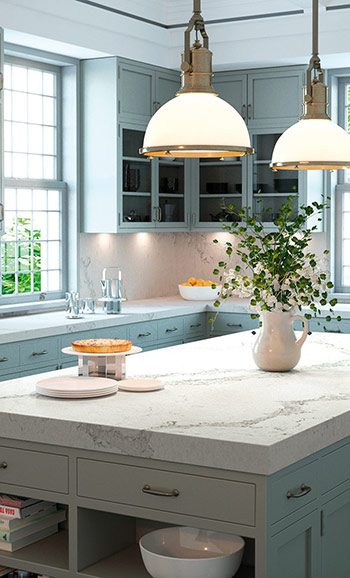
Cool whites and greys are giving way to warmer, more natural tones. Think mushroom, clay, taupe, and muted greens. (Stoneham Kitchens Kitchen Trends)
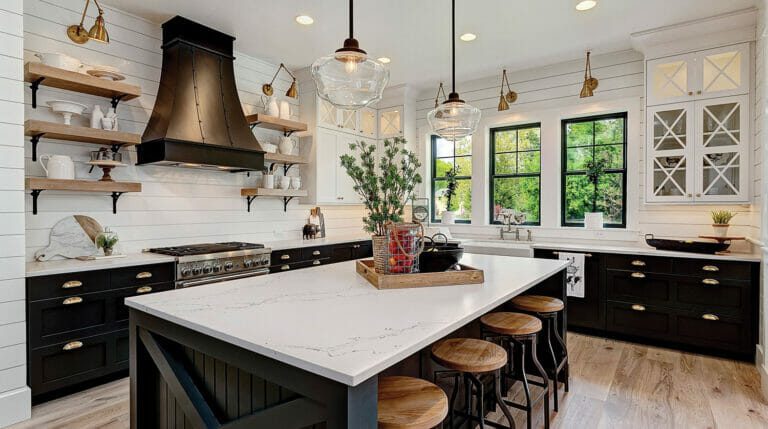
Designers are also embracing richer shades like deep green, navy, and charcoal to create depth and a more cocooning feel. (Wren Kitchens)
What this means:
Kitchens are becoming more inviting and less “showroom-like”, designed to feel lived-in rather than purely aesthetic.
Natural Materials Take Centre Stage
Wood, stone, and tactile finishes are dominating 2026 design. Timber cabinetry -especially oak and walnut – is making a strong comeback, often with visible grain. (The Kitchen Depot)
At the same time, natural and engineered stone surfaces are being used more prominently — from worktops to full-height splashbacks. (Ray Munn Kitchens)
What this means:
Materials are no longer just functional, they’re central to the look and feel of the kitchen.
Texture Over Flat Surfaces
Flat, uniform kitchens are being replaced with layered textures and finishes.
- Fluted cabinetry and curved edges
- Textured metals and matt finishes
- Decorative tiles and statement splashbacks (Homebuilding)
Designers describe this as a move towards “tactile” kitchens — spaces you experience, not just see. (Goodhomes Magazine)
What this means:
Combining materials (e.g., stone + wood + metal) is key to achieving a modern 2026 look.
Personalisation Over Uniform Design
One of the strongest trends is a move away from “one-style-fits-all” kitchens.
Designers are embracing eclectic, layered spaces that reflect personality rather than perfection. (Livingetc)
This includes:
- Mixing colours and finishes
- Statement islands or splashbacks
- Display shelving and curated details
What this means:
Kitchens are becoming more individual. Less like catalogues, more like homes.
Layouts Designed for Real Living
The way we use kitchens continues to evolve, and layouts are changing with it.
Key trends include:
- The return of partially closed kitchens
- Dedicated zones for cooking, working, and socialising
- The rise of pantries and utility spaces (Homes and Gardens)
What this means:
Functionality is just as important as aesthetics. Kitchens must adapt to everyday life.
Sustainability and Longevity
Sustainability is no longer a “nice to have”, it’s central to design decisions.
Homeowners are prioritising:
- Long-lasting materials
- Reduced need for replacement
- Eco-conscious manufacturing
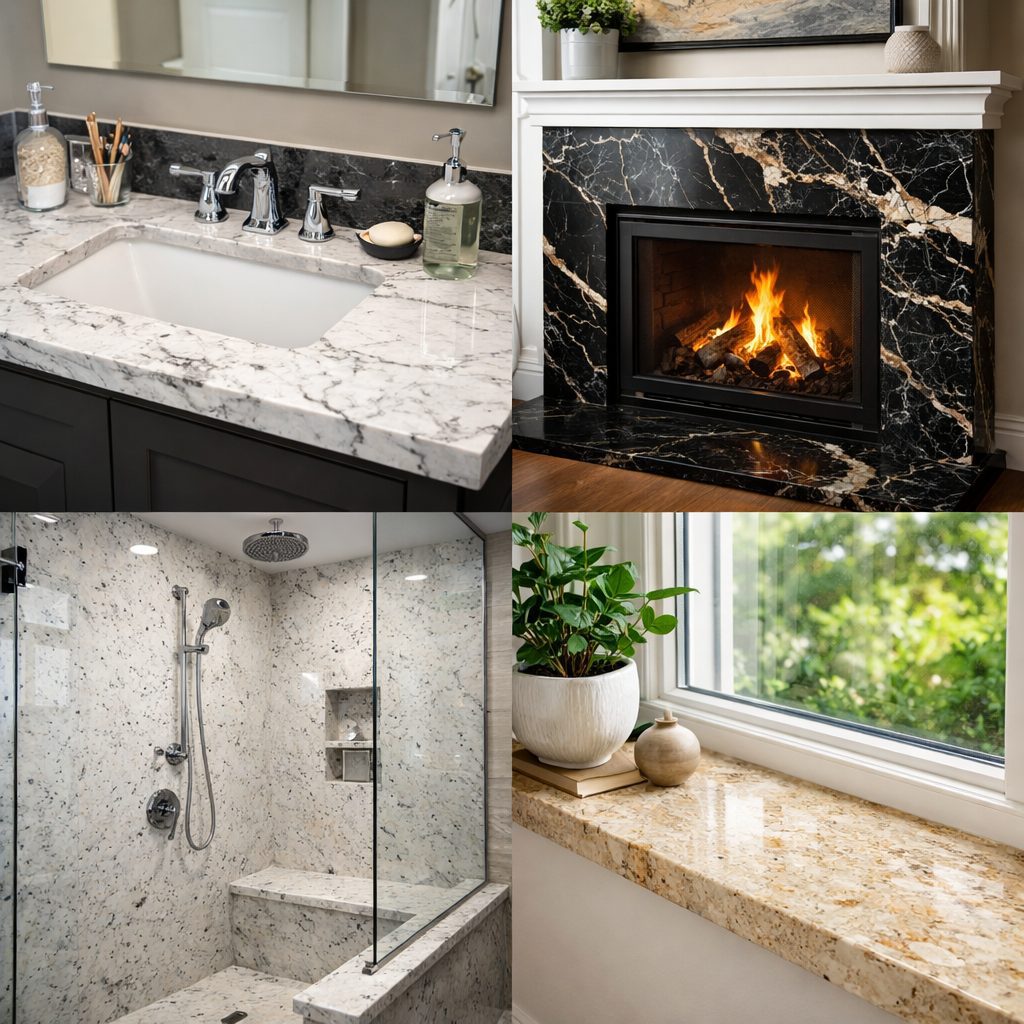
This shift is driving demand for durable surfaces like quartz, granite, and sintered stone, which align with long-term, low-waste design principles. (Goodhomes Magazine)
What this means:
Investing in quality materials is now seen as both a financial and environmental decision.
Lighting Becomes a Design Feature
Lighting in 2026 is no longer purely functional, it’s part of the design language.
- Larger, statement pendant lighting
- Layered lighting (task + ambient)
- Warm, adjustable tones for mood and flexibility (Absolutely Magazines)
What this means:
Lighting plays a key role in how materials – especially stone – look and feel in a space.
Statement Surfaces and Continuous Materials
Worktops and splashbacks are becoming design focal points, not just functional elements.
Trends include:
- Waterfall islands
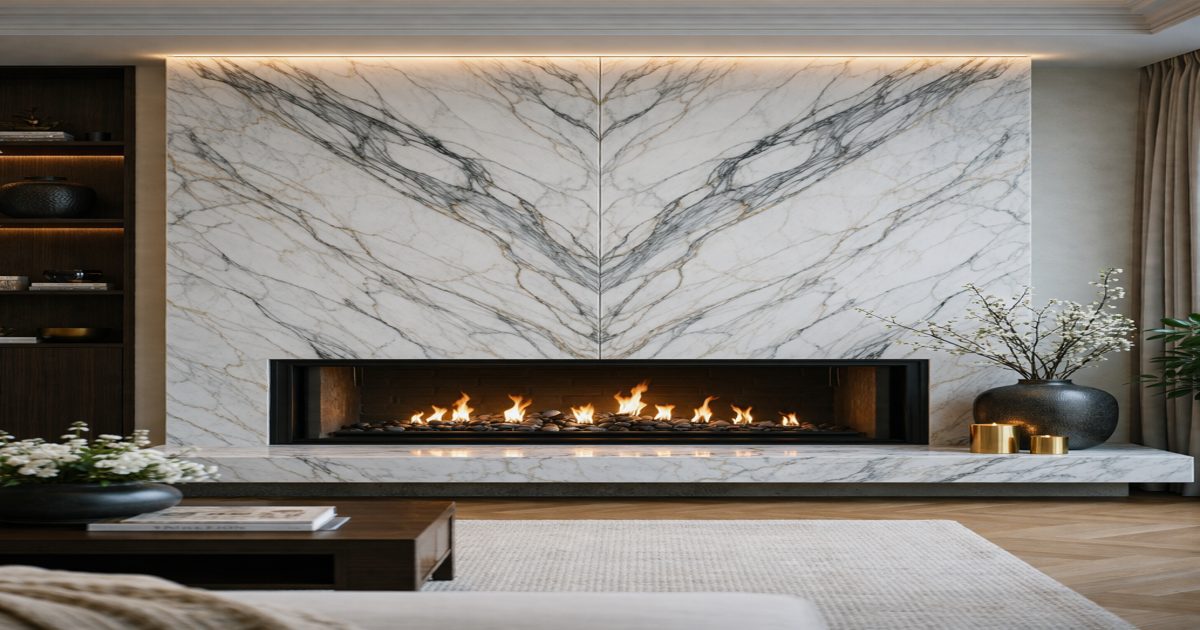
- Continuous stone surfaces from worktop to wall
- Bold veining and natural patterns (Ray Munn Kitchens)
What this means:
Your worktop is now one of the most important design decisions in the kitchen.
Kitchens That Feel Human
Perhaps the biggest shift in 2026 is emotional rather than visual.
Designers are moving towards kitchens that feel:
- Comfortable
- Personal
- Connected to everyday life
Rather than perfect, minimalist spaces, kitchens are becoming places to live, gather, and relax. (Plum Kitchens)
Kitchen design in 2026 is less about trends and more about timeless, thoughtful choices.
Warm colours, natural materials, and practical layouts all point to one clear idea:
Design your kitchen for how you live, not just how it looks.
At The Granite House, we see this shift every day. Customers are increasingly looking for surfaces that not only look beautiful, but perform well, last for years, and feel right in their home.
If you’re planning a renovation, visit our Bicester showroom to explore materials in person and see how these trends translate into real spaces.